
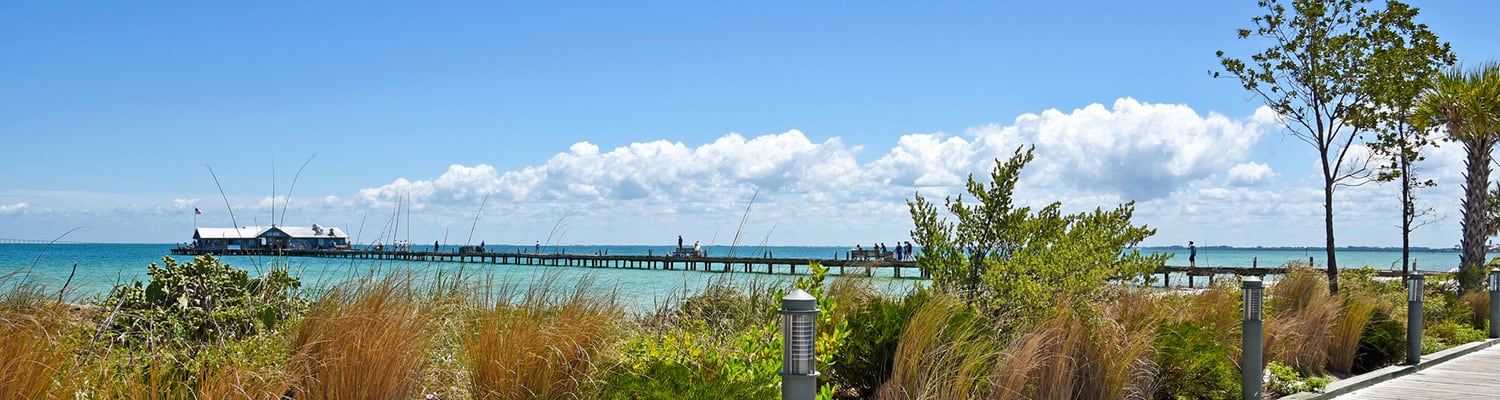
Anna Maria Island captivates visitors with its pristine white sandy beaches and crystal-clear turquoise waters, creating a serene and picturesque coastal paradise.
The island's charming blend of natural beauty, vibrant marine life, and quaint seaside communities makes it a perfect destination for relaxation and shelling. But once you've gathered your shells, how do you properly clean them?
Want to learn how to clean seashells from your beach trip? This guide will show you the best ways to clean, preserve, and make your seashells shine without damaging them. Techniques include easy, simple rinse techniques, all the way to muriatic acid washes.
Book your stay at our luxury beachfront AMI vacation rentals and have the perfect place to dry your favorite pieces.
Collecting Seashells Responsibly
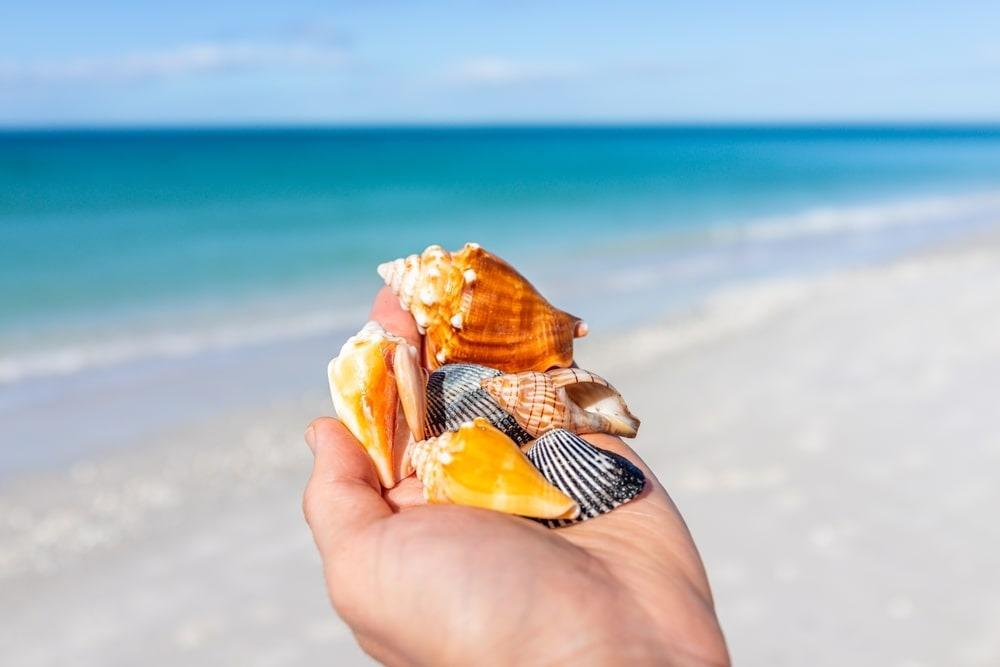
Photo Credit: Kristi Blokhin
Shell gathering is a delightful pastime, but practicing it responsibly is important.
The first rule is to make sure all the shells you collect are empty. Shelling live shells that still house live animals can disrupt local ecosystems and harm marine life. For example, hermit crabs often use empty shells as their homes, and taking these can leave them without shelter.
Many coastal areas have specific rules to protect endangered or protected shell species, so be aware of these regulations before you start collecting.
Anna Maria Island is home to various shells, from the lightning whelk to the cockle shell. While picking up every pretty shell you see is tempting, ensure they're not occupied before adding them to your collection.
Limiting the number of shells you collect during each visit helps preserve the environment and maintain ecological balance. Collecting a small amount of shells ensures enough are left for other beachgoers and the marine creatures that depend on them.
Remember, it's not just about the quantity of shells but the joy of finding unique pieces that brought you here. While exploring the shores, take a moment to appreciate the natural habitat and its living creatures.
How to Clean Seashells Without Losing Their Color
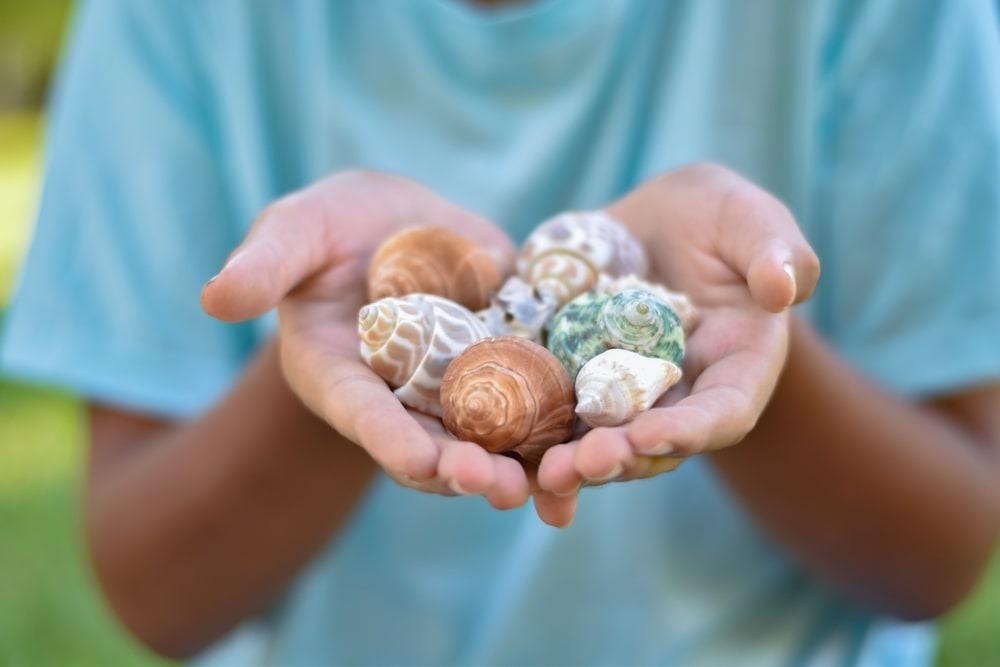
Photo Credit: Sophon Nawit
After collecting your many shells, the next step is cleaning shells without losing their natural color.
Start by rinsing the shells under running water to remove any debris. This initial rinse removes the obvious dirt, making subsequent cleaning steps more effective.
Prepare a mixture of warm, soapy water and soak the shells for a period of time. This further loosens any grime and organic matter stuck inside the shells.
Gently scrub the shells with a soft brush or an old toothbrush to remove any remaining dirt. This step is crucial for eliminating bacteria that may linger after collection, including any unpleasant smell.
For shells with stubborn organic matter, follow these steps:
- Boil them for around 15 minutes. Boiling effectively kills any remaining microbes without damaging the shells.
- After boiling, let the shells cool before the next step.
For an extra layer of cleanliness and to ensure the shells retain their color, follow these steps:
- Soak the shells in a 50/50 mixture of bleach and water for several hours, keeping a close eye to prevent stripping their color.
- Rinse the shells thoroughly in hot, soapy water.
- Let the shells air dry.
Use a dedicated pot for this task to prevent cross-contamination with food.
How to Clean Seashells to Make Them Shiny
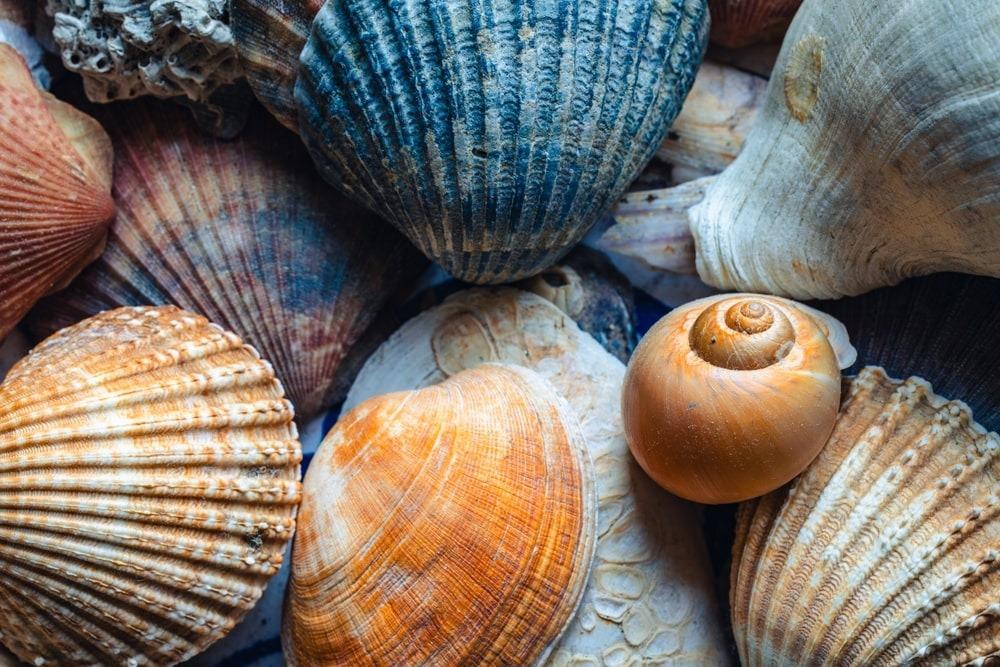
Photo Credit: Ronin83
After cleaning your seashells, you might want to give them a bit of shine to enhance their natural beauty. Apply mineral oil to achieve this. Here's how to do it:
- Apply a thin layer of mineral oil to provide a subtle, natural shine without creating an artificial glossy finish.
- Use a soft cloth to apply the oil.
- Allow the oil to soak in for the best results.
For a glossier finish, clear nail polish from the craft store can be an effective alternative. Applying a thin coat of nail polish can give your seashells a glossy appearance while maintaining their natural look. This method is particularly useful for smaller, more delicate shells that you might want to display prominently.
Whether you choose mineral oil or nail polish, apply these substances sparingly to avoid an overly artificial look. The goal is to enhance the shells' natural beauty, making them stand out as the beautiful treasures they are.
How to Clean Seashells Without Bleach
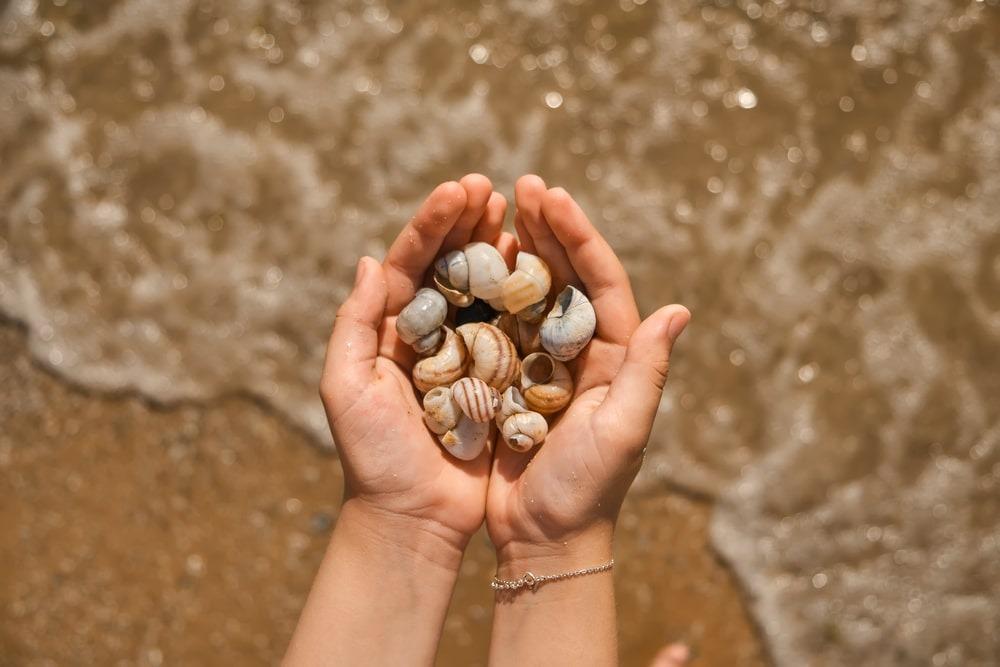
Photo Credit: Inna Vlasova
To avoid using bleach during your deep clean, there are alternative methods to clean your seashells effectively.
A simple way is to soak the shells in a mixture of dishwashing liquid and warm water. This solution loosens dirt and grime, making it easier to clean the shells without harsh chemicals. Bleaching is not necessary for this process.
After soaking, gently scrub the shells with an old toothbrush (better than a wire brush) and baking soda. Baking soda acts as a mild abrasive, removing stubborn stains and organic material without damaging the shells. This method is particularly useful for delicate sea shells that might not withstand harsher cleaning agents, such as the bleach mixture.
A mixture of vinegar and water is another gentle yet effective cleaning solution. Soak the shells in this solution for a short period to dissolve any remaining dirt and residue. Vinegar is a natural acid cleaner that disinfects the shells while preserving their color and integrity.
After soaking, rinse the soaked shells thoroughly with clean water and let them air dry.
How to Acid Wash Shells
Acid washing shells with a diluted muriatic acid solution can remove stubborn stains and calcium deposits. Aim for a ratio of 1:4 acid and water.
Always wear protective gear, use metal tongs, and work in a ventilated area. Dip shells briefly in the acid solution, rinse immediately with plain water, and let them air dry. Avoid prolonged exposure to the muriatic acid solution to prevent damage to the surface of the shell.
After drying, apply mineral oil to enhance shine and preserve the finish. Use this method only when other cleaning options aren't effective, and handle muriatic acid safely.
Special Considerations for Sea Creatures
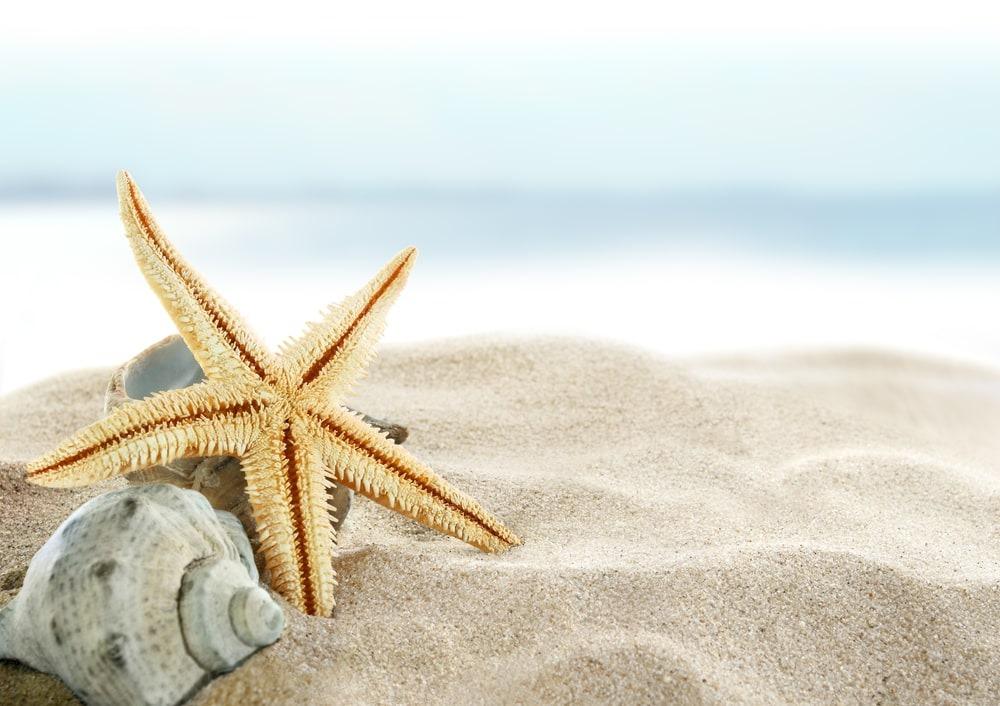
Photo Credit: silvae
Dead animals you find on the beach have different cleaning and preservation techniques from shells. The likes of sand dollars and starfish are delicate and need careful handling to preserve them.
When cleaning starfish, gently remove any dirt and debris with a soft brush. After cleaning, dry starfish in a shaded area to prevent discoloration from direct sunlight. This helps maintain their natural color and structure, making them perfect for display.
For sand dollars, soak briefly in a diluted bleach solution to preserve their color and structure, then rinse thoroughly. Lay them out in a towel in the sun for a day or two to help their color equalize.
Understanding the specific needs of different types of shells ensures each whole shell of the same type is cleaned and preserved to its best possible condition. This careful approach will allow you to enjoy your collection for years to come.
Display and Preservation Tips
After your seashells are clean and shiny, consider how to display and preserve them. Applying mineral oil as described above enhances the shine of seashells and helps in their preservation. This simple step can keep your shells looking vibrant and beautiful for years.
For a more polished look, consider these display options for your seashells:
- Use glass cabinets to provide an elegant display while protecting your shells from dust.
- Use divider boxes to organize smaller seashells, making them easy to access and display.
- Create a wreath with seashells as a unique way to incorporate vacation memories into your decor.
Whether you display your pretty shells in a cabinet or incorporate them into other projects, these great tips will help you preserve their natural beauty and enjoy your supplies for years to come.
A great tip to help your shells stay perfect is to avoid placing them in direct sunlight. The sun can fade shells over time, so if you want to preserve their color, display them in shaded areas only.
Where to Collect Shells on Anna Maria Island
Anna Maria Island is a shell collector's paradise, offering a variety of stunning shells waiting to be discovered. In fact, it's home to some of the best shelling beaches in all of Florida.
Some of the best spots to collect shells on the island include Coquina Beach, Bean Point, and Manatee Public Beach. These locations are known for their abundance of seashells, making them ideal for both novice and experienced collectors.
When gathering shells on Anna Maria Island, follow local guidelines and ensure the shells you pick up are empty. This responsible approach helps preserve the natural habitat and ensures marine life is not disturbed. Respecting these guidelines allows you to enjoy the thrill of collecting while contributing to the island's ecological balance.
Anna Maria Island's pristine beaches and diverse shell offerings make it a must-visit destination for shell collectors.
Collecting seashells is a delightful and rewarding hobby that allows you to connect with nature and create beautiful memories. By following the cleaning shell steps listed in this blog post, you can ensure that your shell-collecting adventures are both enjoyable and responsible.
Come book your stay with us on Anna Maria Island and dive into a world of beautiful shells. Remember, the joy of shell collecting lies not just in the treasures you find but in the connection to the ocean's wonders.
So go ahead, explore the shores, and create your own collection of beautiful shells that will remind you of the sea's endless beauty.